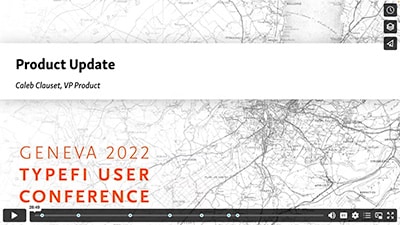
2022 Typefi product update
- Category: Product Update
There are plenty of exciting new things in the works at Typefi! Caleb discusses the tentative product release schedule for 2023, and shows off the latest updates to Typefitter and AutoFit.
Explore the Typefi trove of information and insights to learn more about automated publishing. Browse our library of webinar recordings, presentations, case studies and white papers from our team of experts and partners, and discover how Typefi has helped organisations like yours, do more.
Filter Resources
There are plenty of exciting new things in the works at Typefi! Caleb discusses the tentative product release schedule for 2023, and shows off the latest updates to Typefitter and AutoFit.

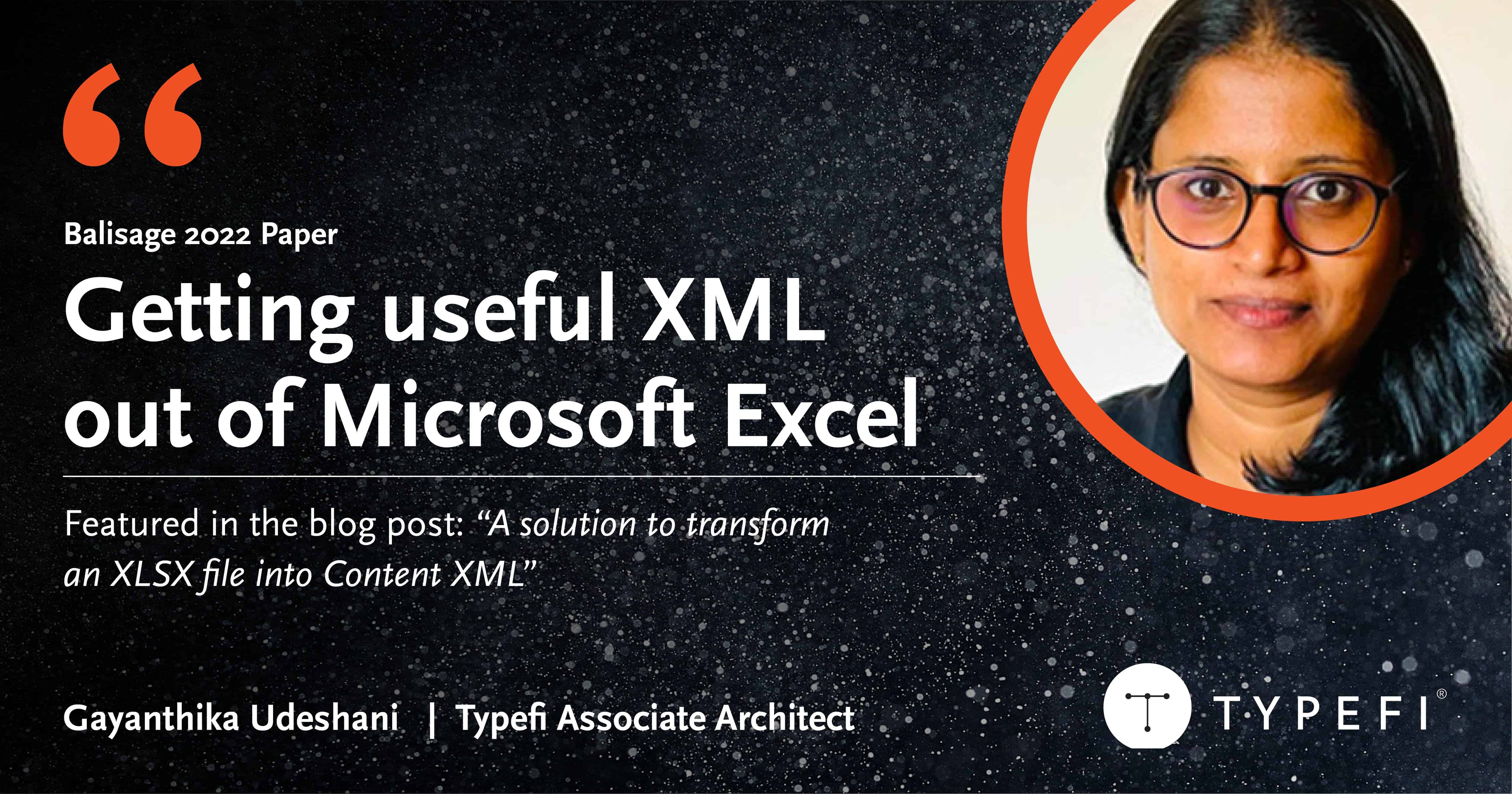
At the 2022 Balisage markup conference, Gayanthika Udeshani, Associate Architect at Typefi, presented her paper “Getting useful XML out of Microsoft Excel.” Gayanthika spoke about converting the XSLX format with XML technologies, which saw great engagement from attendees.
Many of InDesign’s most useful features are accessed through repetitive manual clicking and keyboard shortcuts. Typefi Solutions Consultant, Damian Gibbs, explains how you can automate the tedium in this article.
The adage ‘work smarter, not harder’ often comes to mind when composing documents. Thankfully, scripting can help save the day, as Typefi Senior Scripting Engineer, Peter Kahrel, explains in this article.
When formatting documents, InDesign users regularly face challenges—many of which can be easily fixed with Paragraph Styles, if you know how to. From fixing formatting issues when importing Microsoft Word documents to combatting common typography issues, Damian Gibbs, Solutions Consultant at Typefi, shares his top tips using InDesign Paragraph Styles.
If you find yourself in the daunting position of introducing accessibility into your company’s content strategy, don’t panic. Guy van der Kolk, Product Manager at Typefi, shares three ways to introduce accessibility into your digital content strategy, and your organisation, in this blog post.
With Inera eXtyles, publishers of complex and structured content (journals, books, reports, and standards) can automate time-consuming editorial tasks and easily convert Word to XML. This session demonstrates how you can use eXtyles STS to create validated NISO STS XML files directly from Microsoft Word.
20 May is Global Accessibility Awareness Day—what better time to discuss how publishing content in accessible formats makes it more usable for everyone! This session focuses on the principles of accessibility in publishing, and practical steps you can take to create accessible standards.
Publish your XML standards in PDF, HTML, EPUB, Microsoft Word, and more with Typefi! This demonstration shows how Typefi’s automated publishing platform produces multiple outputs, rendering typical content elements such as tables, figures, and math.
In 2019, the NIST Research Library began a pilot to publish in multiple formats for accessibility, reusability, discoverability, and ability to store in repositories. This case study explores how the NIST team is now using NISO STS to provide the structure needed to convert Microsoft Word documents to XML, and creating PDF, HTML, EPUB, and DAISY XML versions of the publications.
Learn about new initiatives and activities currently underway at IEC and ISO, including XML-based authoring, collaboration on a shared XML schema, and machine-readability in the context of standards.
The Standards Tag Suite (ANSI/NISO Z39.102-2017), or NISO STS, provides a common format for standards bodies, organisations, publishers, and archives to publish and exchange standards documents. In this session, Bruce Rosenblum of Atypon shares a history and overview of NISO STS Version 1.0, and what you can expect to see in a future Version 1.1.