
In late November 2025, Sri Lanka experienced its worst natural disaster since the 2004 tsunami: Cyclone Ditwah.
The storm ravaged the country. As of this writing, flooding and landslides have destroyed approximately 4,517 homes and damaged an additional 76,066 across the nation. Major industries like tea and rice have seen crops and infrastructure decimated, and power outages continue to affect about 30 percent of the country.
It’s estimated that nearly 1.5 million people were directly affected. More than 630 people have died.
Typefi’s Sri Lankan staff are safe
If you know Typefi, you may know that the company has an office in Colombo, the capital of Sri Lanka. We’re grateful that our staff members are safe, despite the extensive flooding in the city.
Every staff member has been directly affected, or knows someone who has been. Despite the challenges, our team members were on the ground as quickly as possible to help friends and colleagues.
“The situation on the ground is far worse than what we see on the news,” said Chathini Uduwana, VP People and Sri Lanka Country Head at Typefi. “I don’t think the authorities have yet been able to cope with the real numbers and scale of the tragedy.”
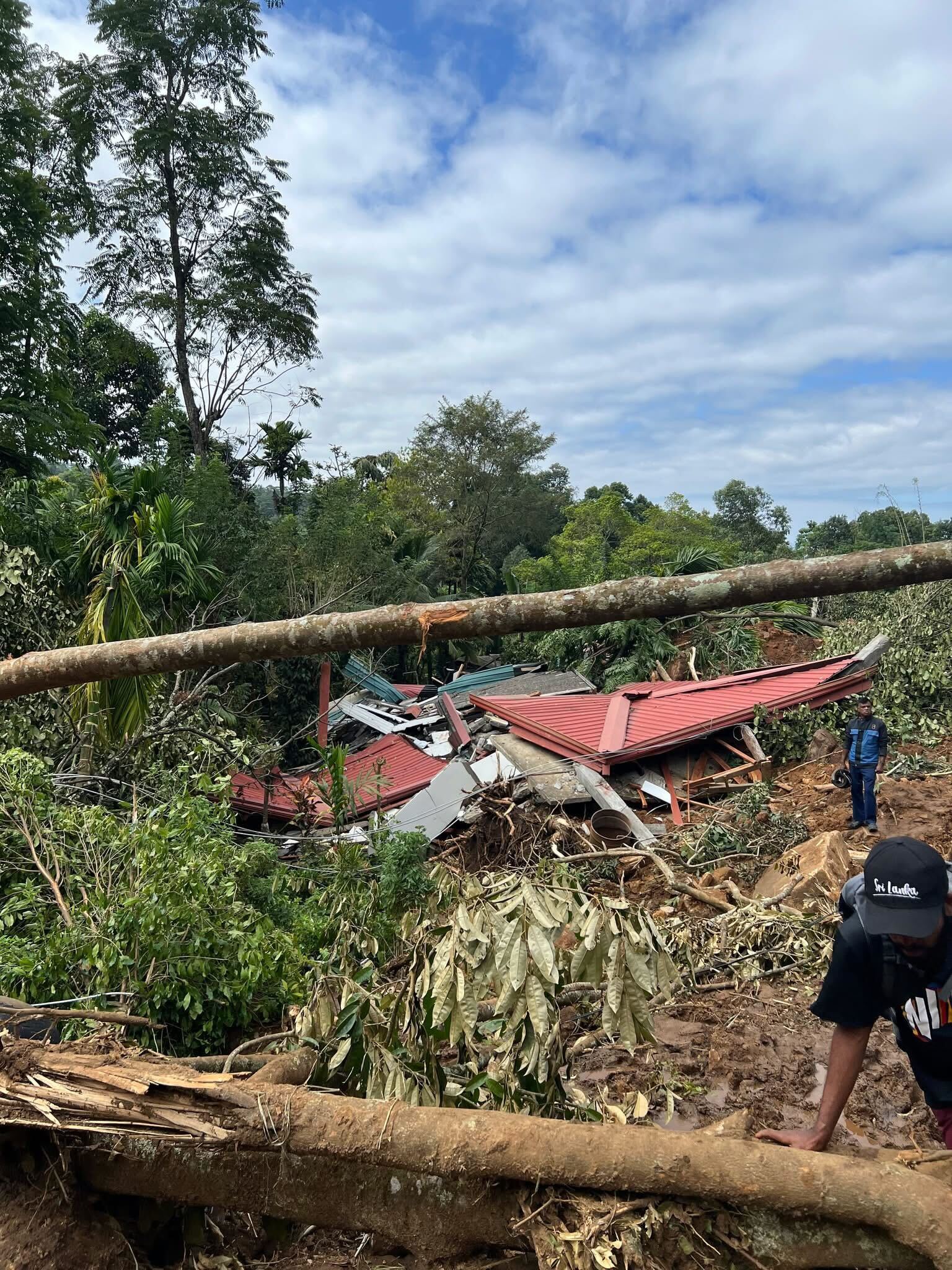
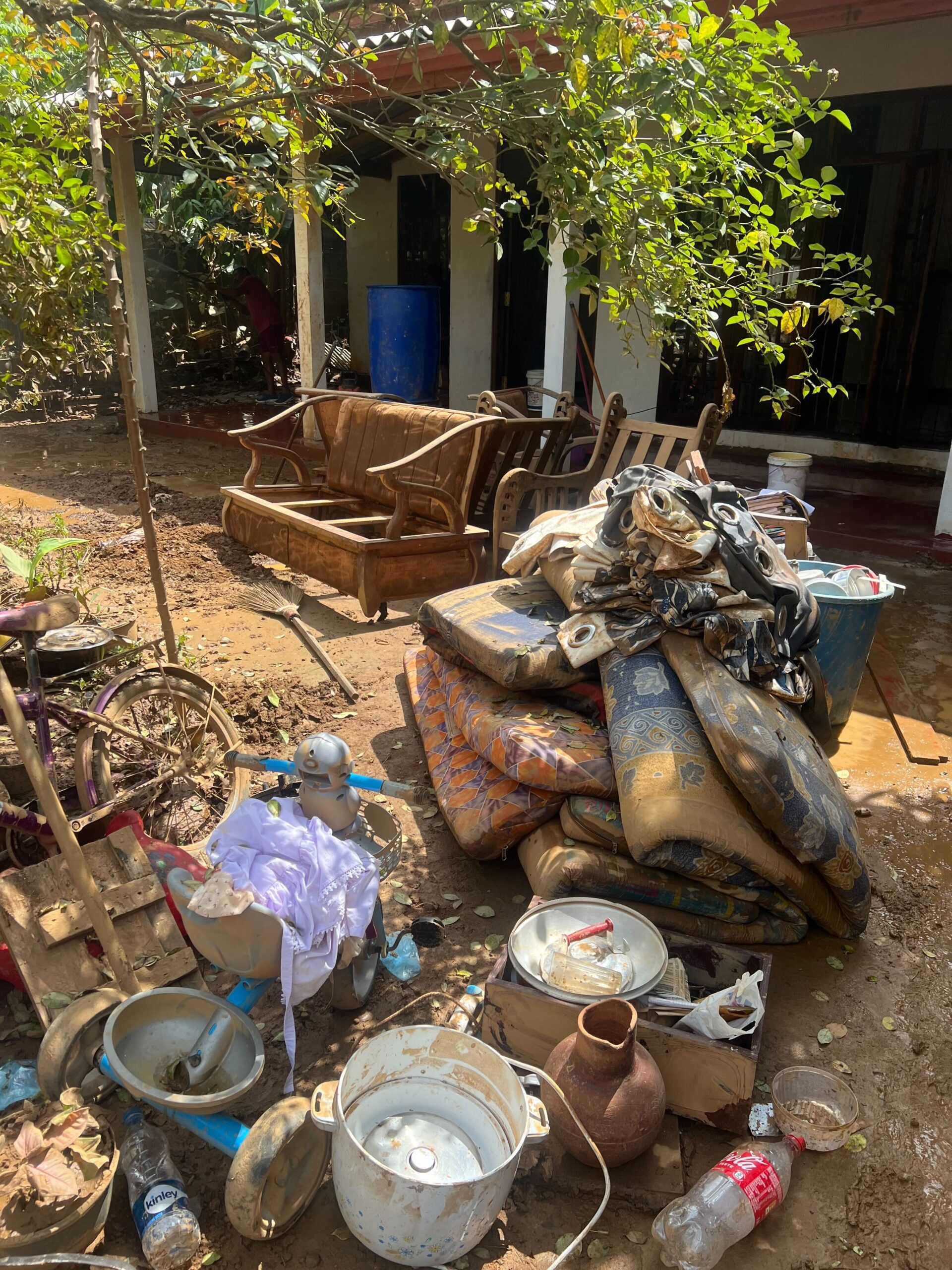
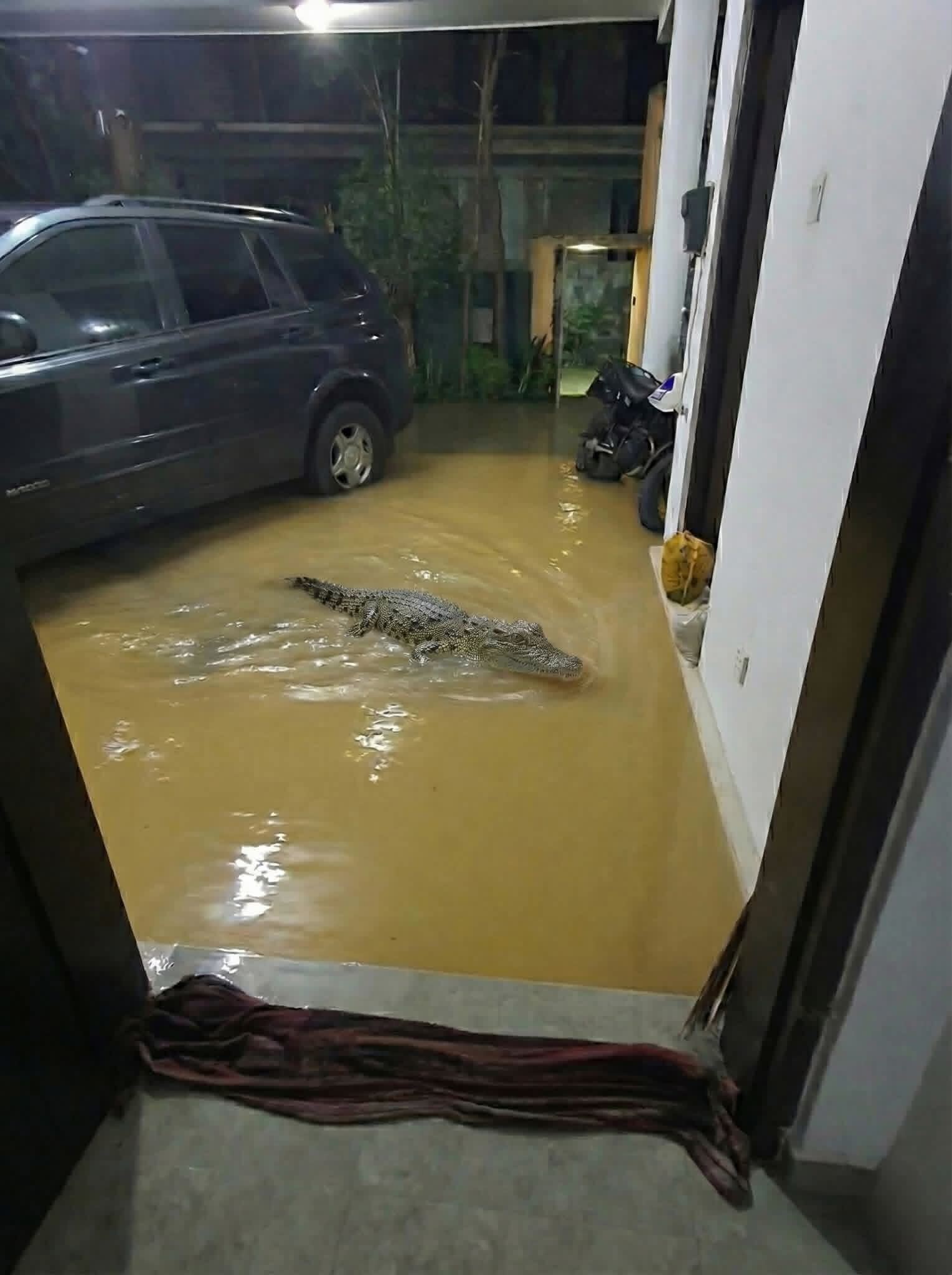

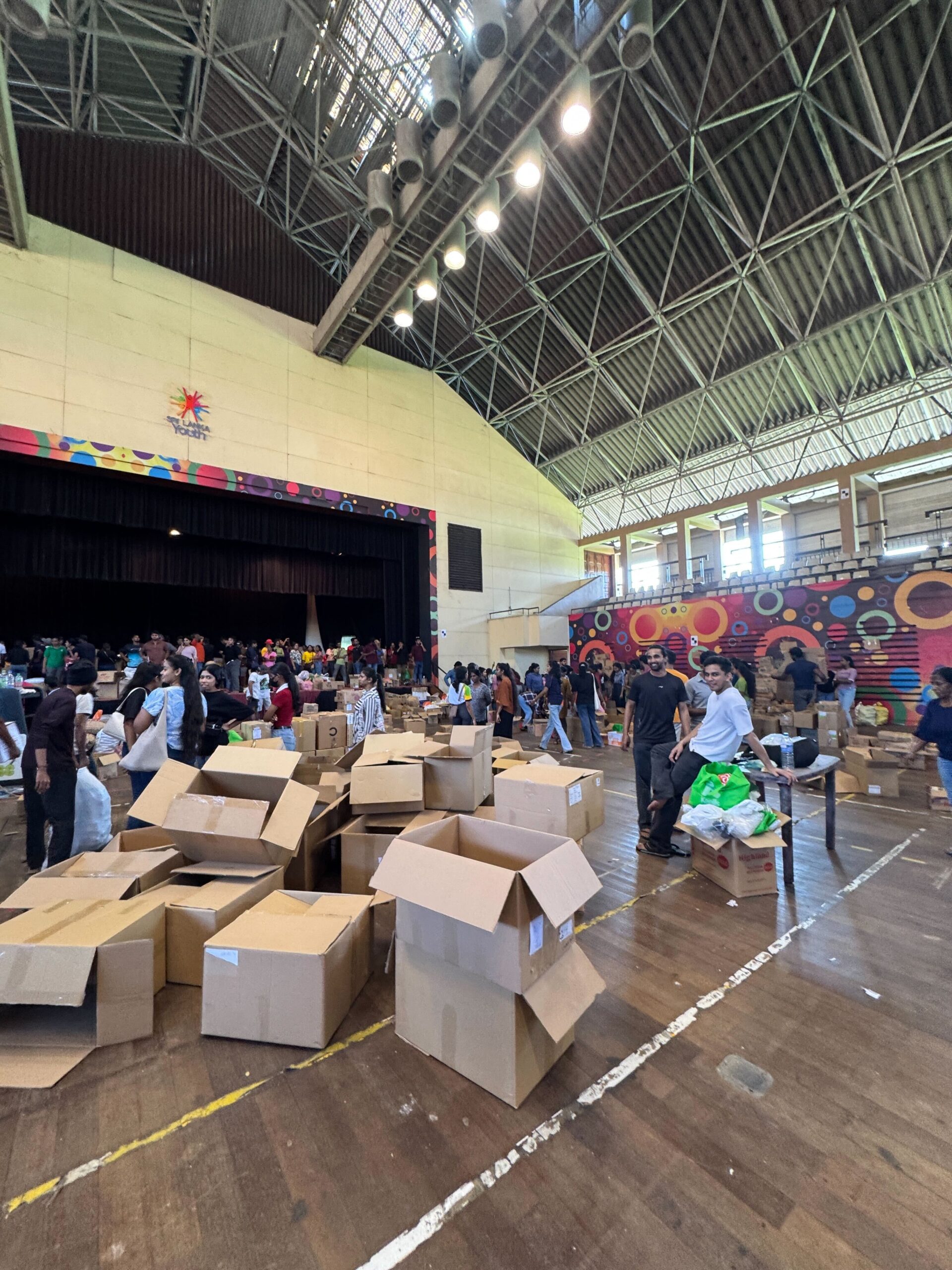
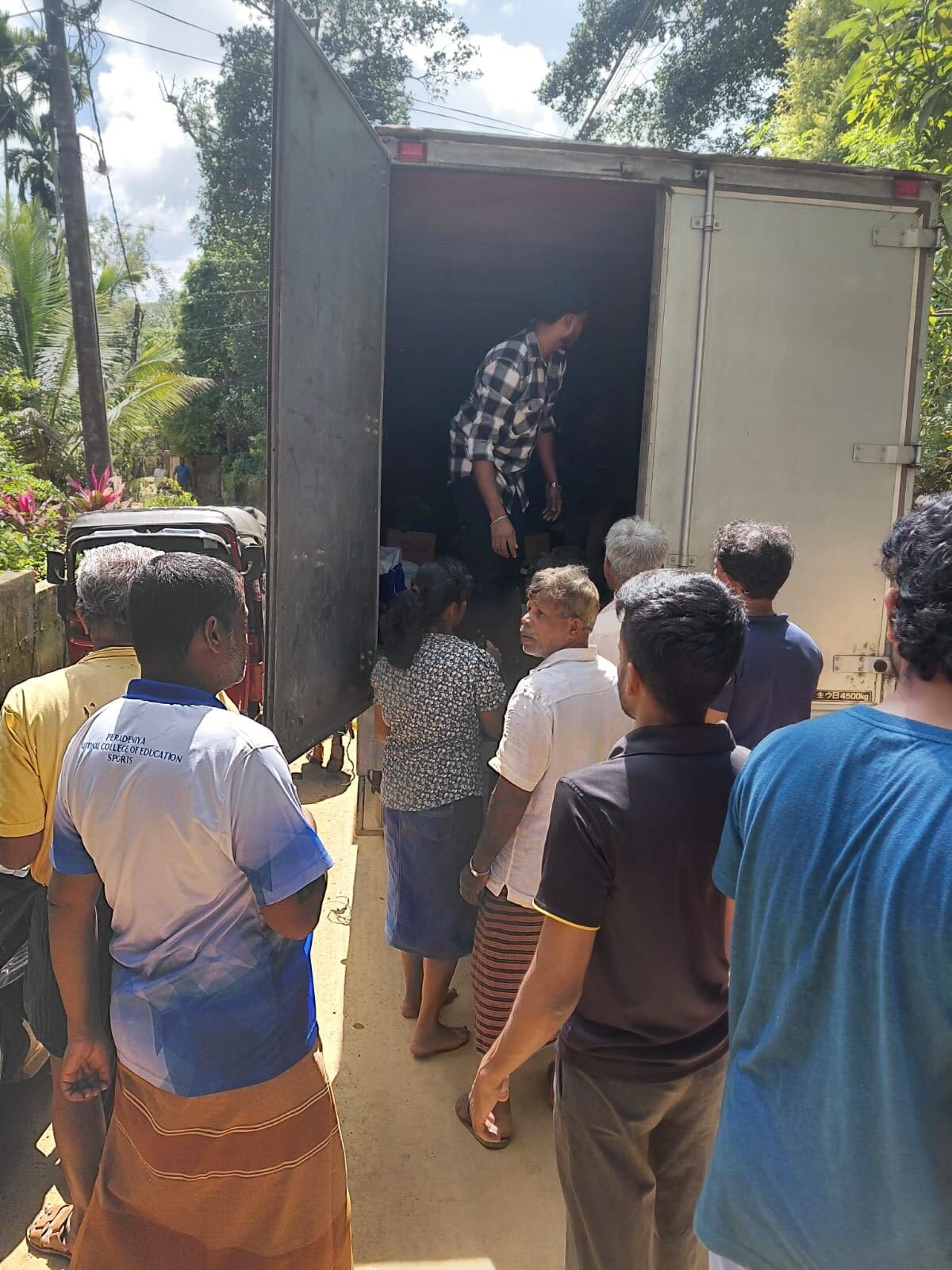
Typefi staff are helping where possible
Every year, Typefi’s Sri Lankan team leads a project to help local communities. In the past, the team has donated time and supplies to various rural schools, which are mostly cut off from modern life due to thick jungle and difficult travel conditions. Many of these rural communities were devastated by the cyclone.
Chathini took the initiative to coordinate extensive relief efforts to reach these communities. Below is her account of the team’s recent relief efforts.
First, we went to Geli Oya as promised. The journey itself was scary, but the intense heat there was at least helping the affected families. Their homes were in terrible condition, completely filled with mud. Most of their belongings are unusable. These are families who were doing well before the disaster, now facing a sudden and devastating crisis. They urgently need cleaning supplies and food, so we handed over the dry rations and cleaning materials we had taken.
There were also around 30 people stranded in a temple, so we delivered medicines, dry rations, and sanitary items to them as well.
While we were there, we received a call from a monk (through a contact) informing us that a village in Delthota had been cleared only yesterday, and the displaced villagers had just reached the temple. They had absolutely nothing with them. We immediately decided to head there.
On our way, we passed through Gampola town, it was completely washed away. People say they are still counting the deaths. We tried 3–4 times to access Delthota, but it was impossible. The roads were dangerous, landslides were still active, and every attempt put our lives at risk. The temple then arranged a lorry to meet us at the last accessible point.
While waiting, we moved closer to Rajathalawa since we have a staff member from that area. Half the village has died due to landslides, and the remaining families are still completely isolated. The atmosphere was gloomy and frightening, and at one point they didn’t want us coming any closer because the roads were unstable. Still, we managed to reach a nearby point and hand over dry rations, clothes, and baby food.
We finally reached home after midnight. Thank you to everyone who contributed in various ways to reach people who truly needed it.
There is still much to be done
The scale of the devastation in Sri Lanka is immense, and Chathini and friends were back on the road a few days later with more supplies.
“This is a neighbouring village to Panvilathenna, said Chathini. “Today, we were able to send relief supplies sufficient for 45 families. The beneficiaries are tea pluckers who lost their homes and belongings due to the landslides.”
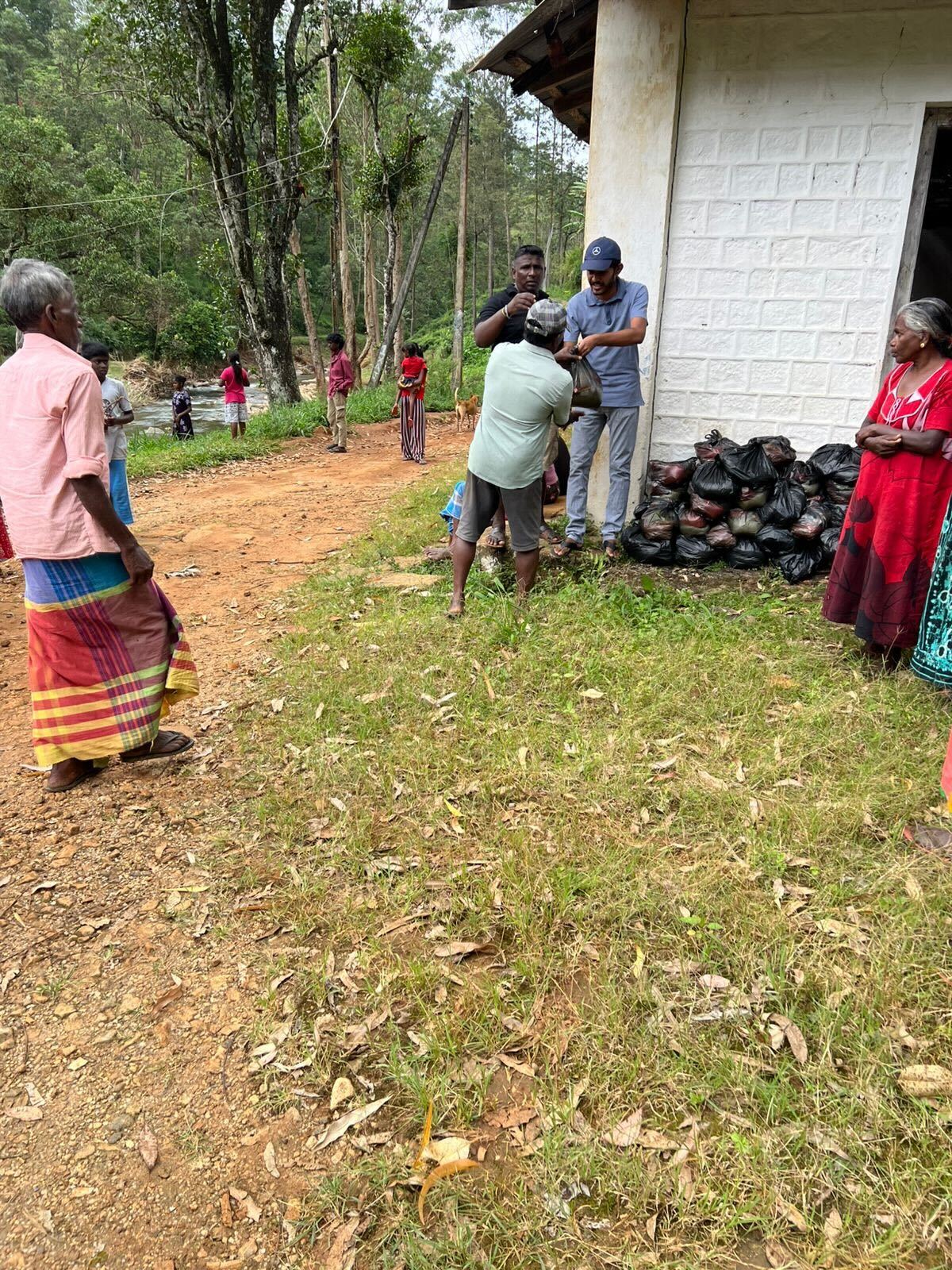
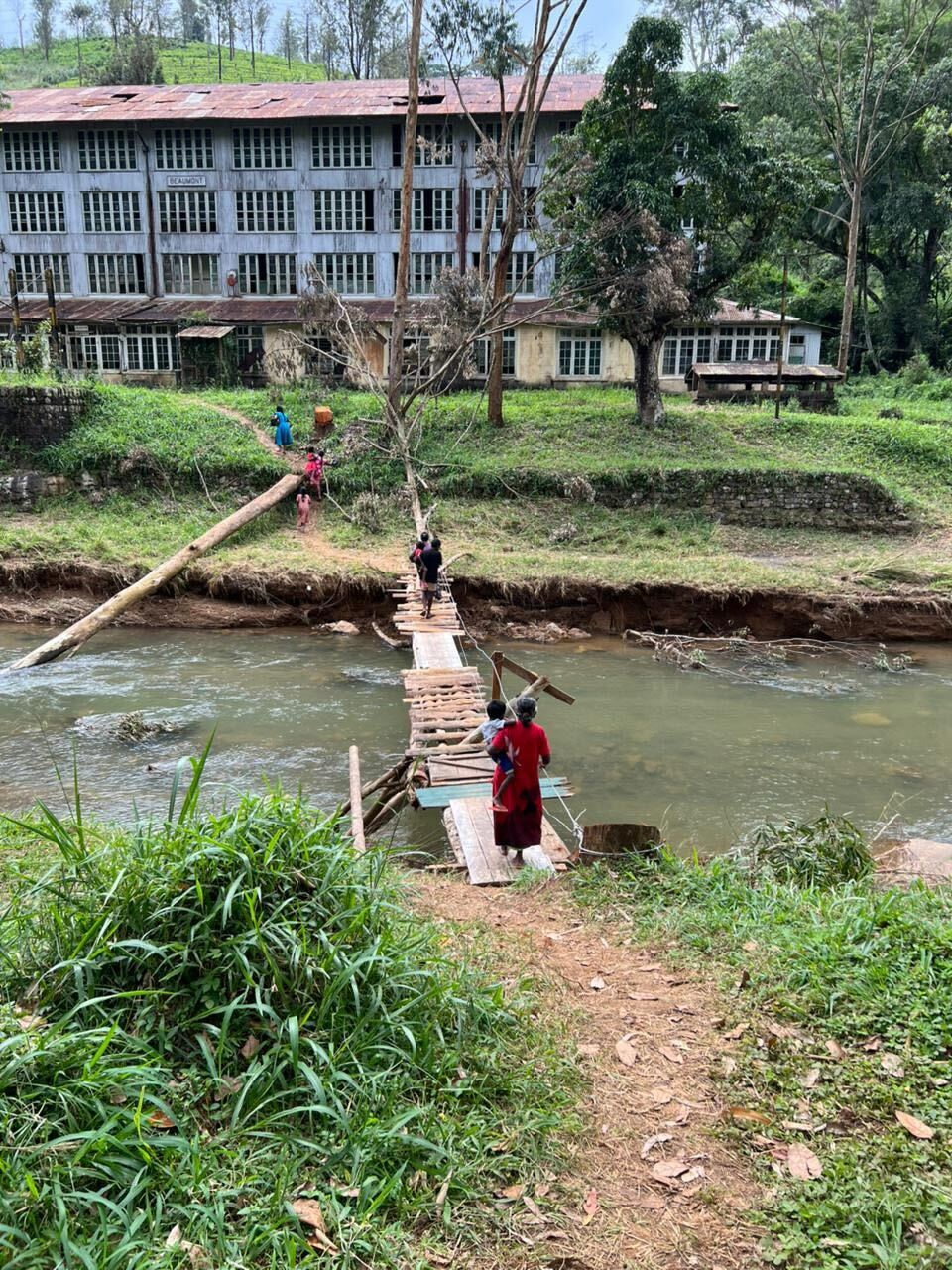
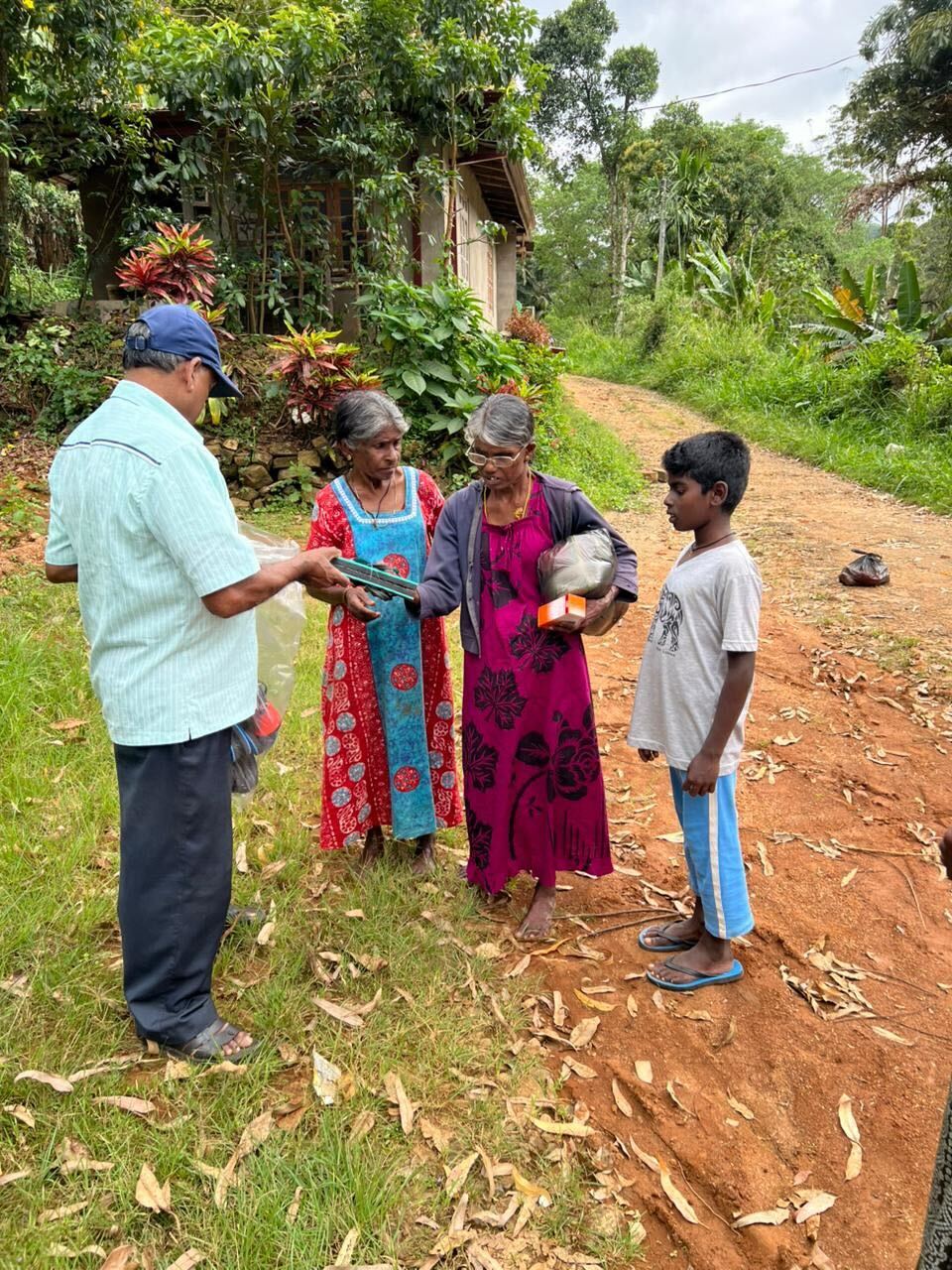
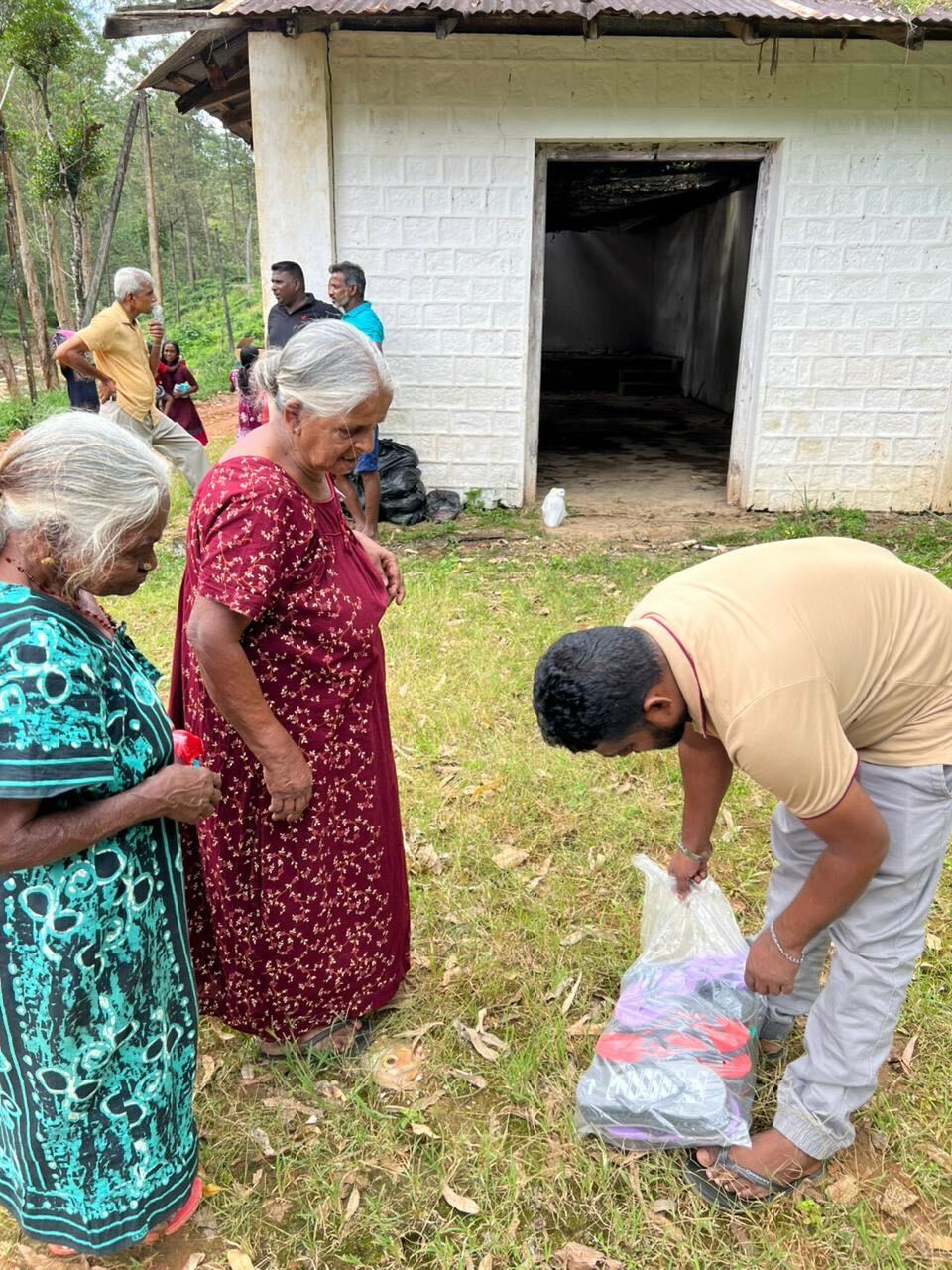
The team has donated and delivered hundreds of pounds of dry rations, clothes, medicine, and supplies for kids through these initiatives. But there is still a dire need for supplies. Many people are without homes and basic essentials.
Next, the team plans to help rebuild one of the rural villages that was destroyed. The plans are still taking shape, so please bear with us while we coordinate our efforts. We’ll let you know soon how you can help.
All photos and videos by Chathini Uduwana unless otherwise noted.